Monthly Archives: January 2025

Weaving

Ah, weaving. One of the last textile arts on my learn list. 🙂 Weaving is all about patterns. And I like playing with the color blending with different patterns, and it also satisfies my mathematical side in a similar way to quilting. It’s a grid, but it’s a soft, colorful, fun grid. 🙂

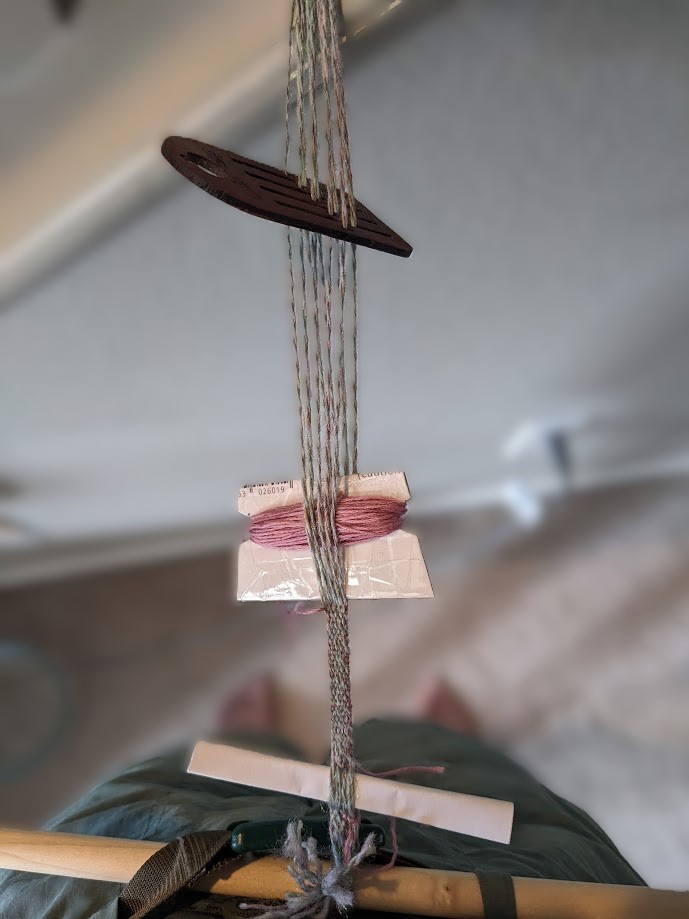
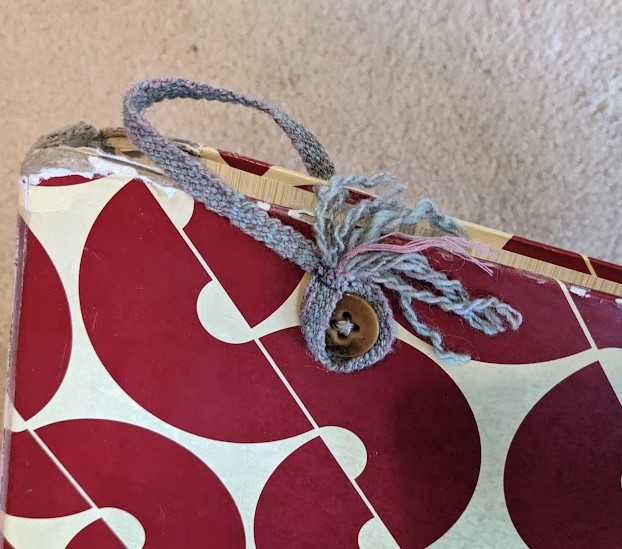
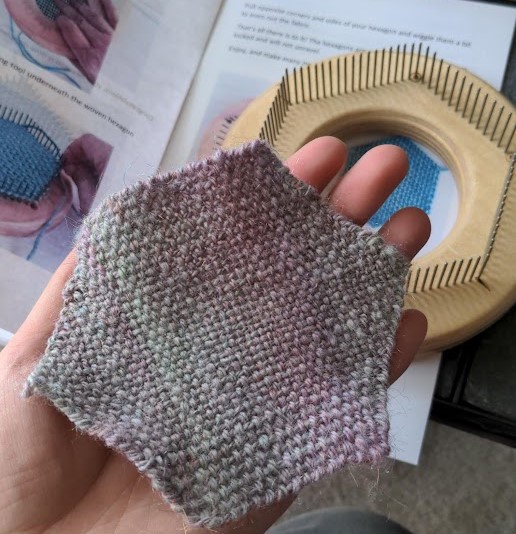
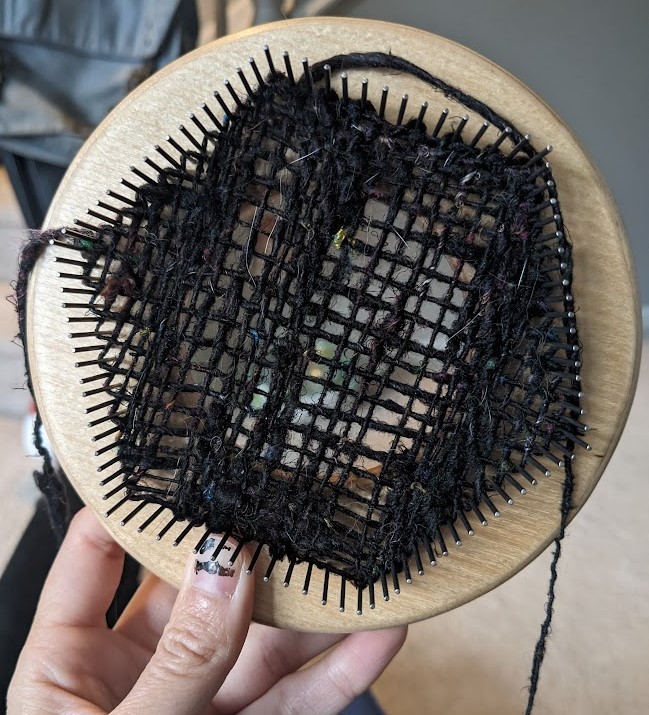
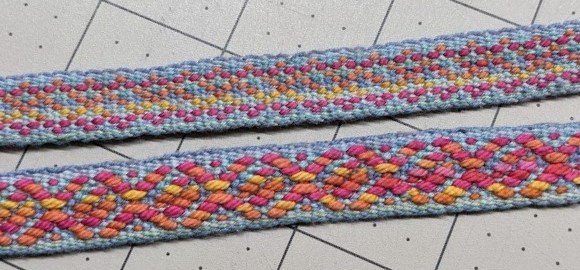
I started small – backstrap rigid heddle and a hexagon loom. I saw this video about band weaving and just couldn’t get it out of my head. So I made some shoelaces and a little strap for my music binder to help me hold it open.
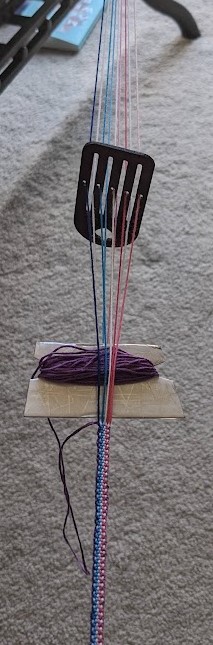
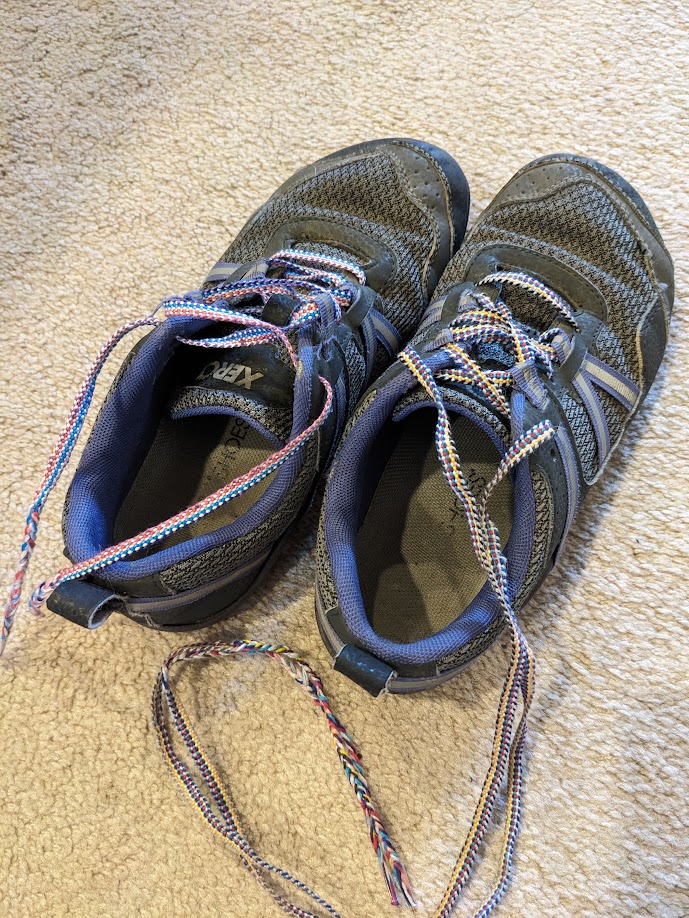
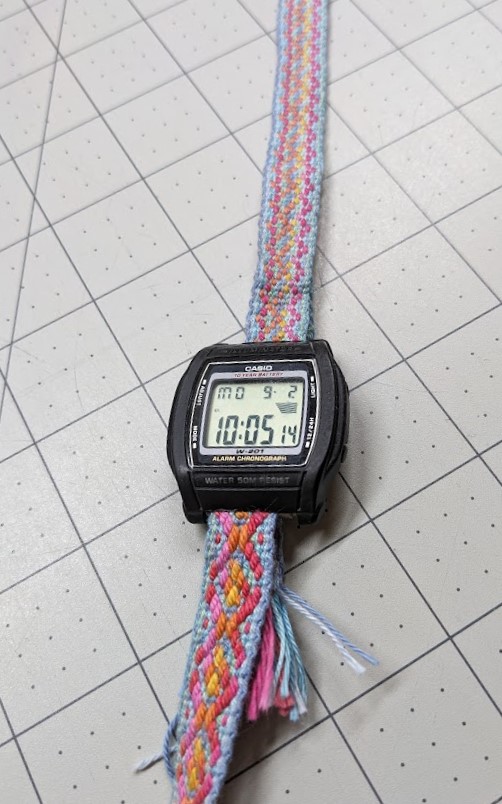
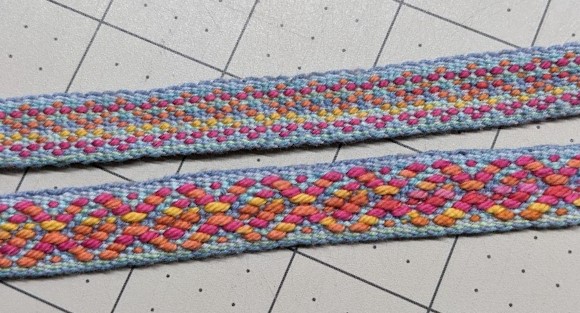
And then I broke my watch strap and I was like… wait, I could weave myself a new one.
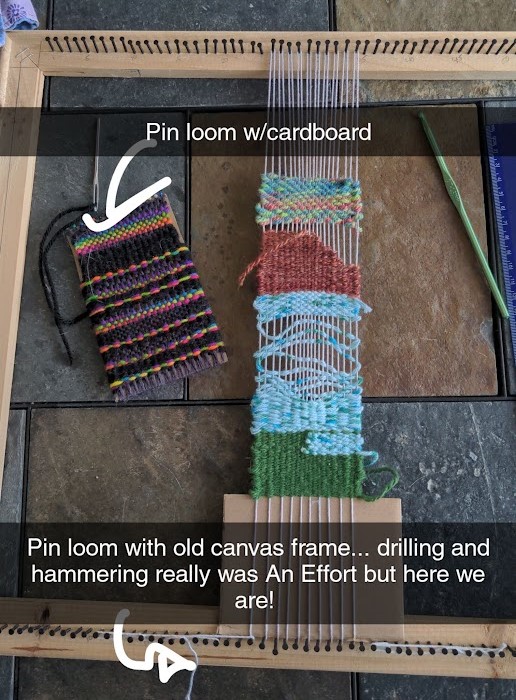
And of course, made my own little frame tapestry loom so I could start doing larger things and testing this whole thing out (to see if I wanted to invest in an upgrade).
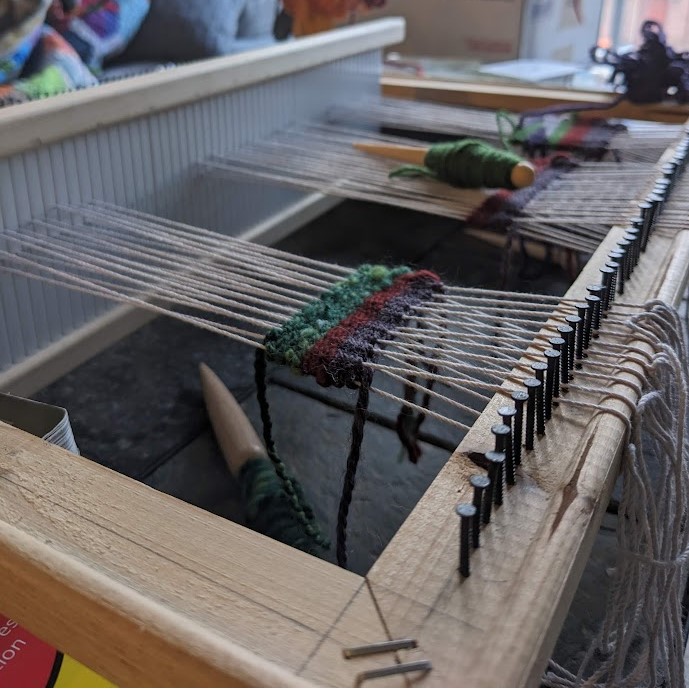
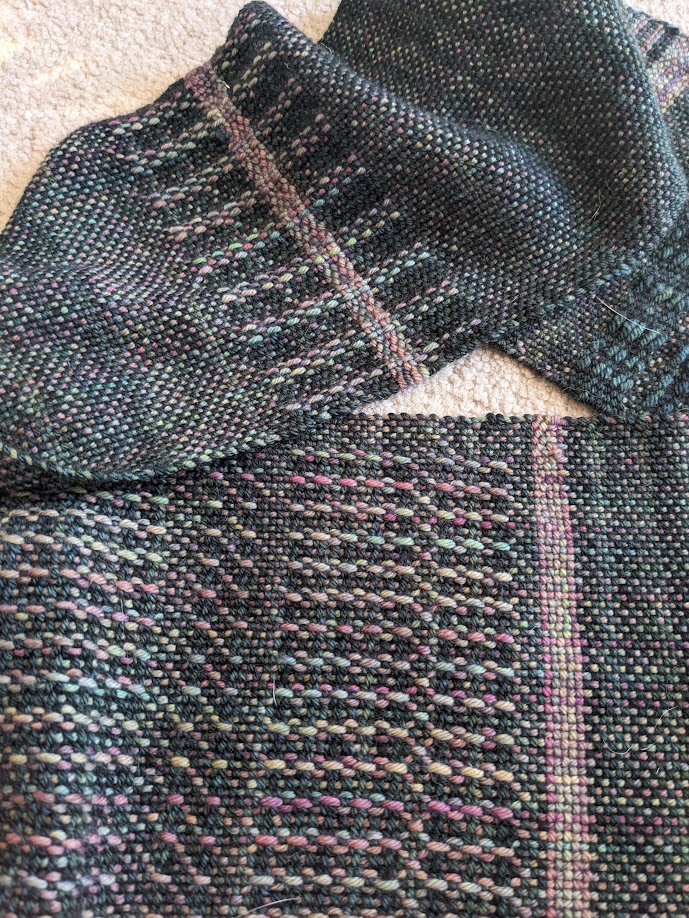
I ended up taking a weaving class to see what a different loom would be, and to make a bigger project – we made plain weave (under over, under over) scarves on a rigid heddle loom. The heddle has holes and slots in it, and you move the heddle up and down to lift and lower the threads in the holes. The threads in the slots stay at the same elevation, so as you pass the weft thread through the opening between the threads, you’re alternating going over or under each set of threads.
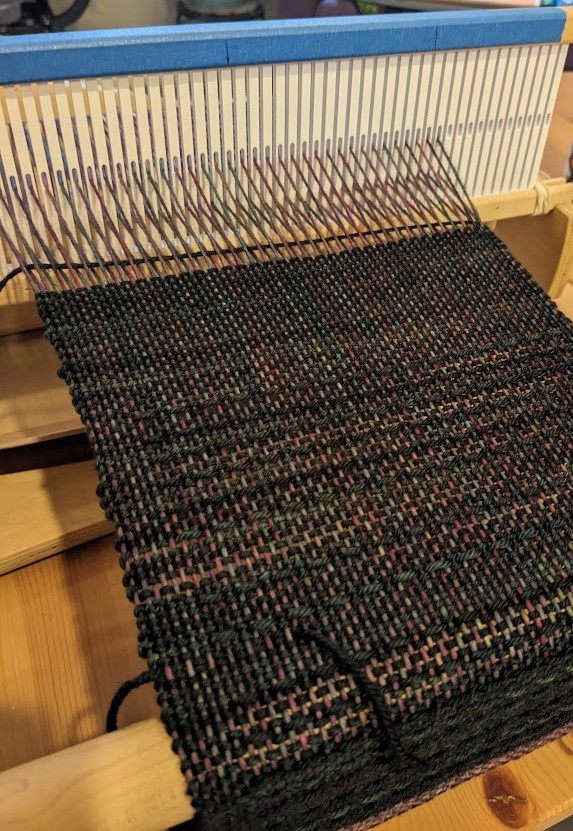
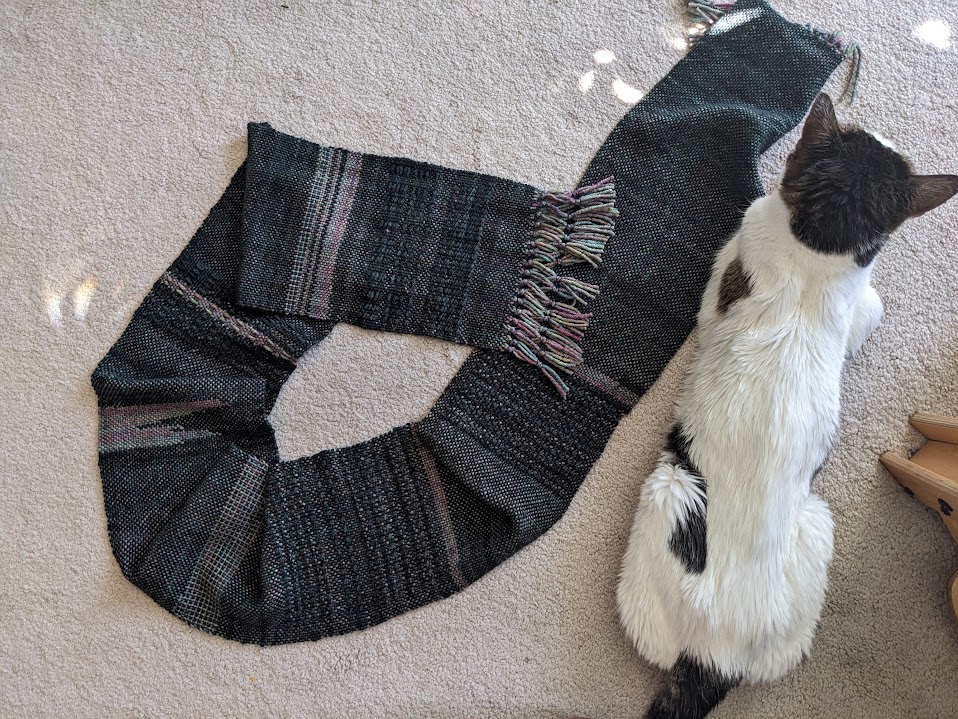
Threads in the holes are lifted, weft is passed under the hole-threads and over the slot-threads. When the heddle is moved down, the hole-threads go down, and the weft passes over the hole-threads and under the slot-threads.

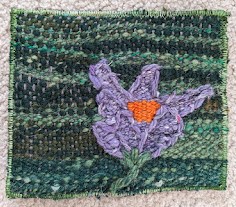
I used the opportunity of having a rigid heddle loom in my house for a week to do some additional weaving, including the tapestry weaving for the Teton Extravaganza. It was a wonderful proof of concept and convinced me I would really enjoy a loom with more abilities.
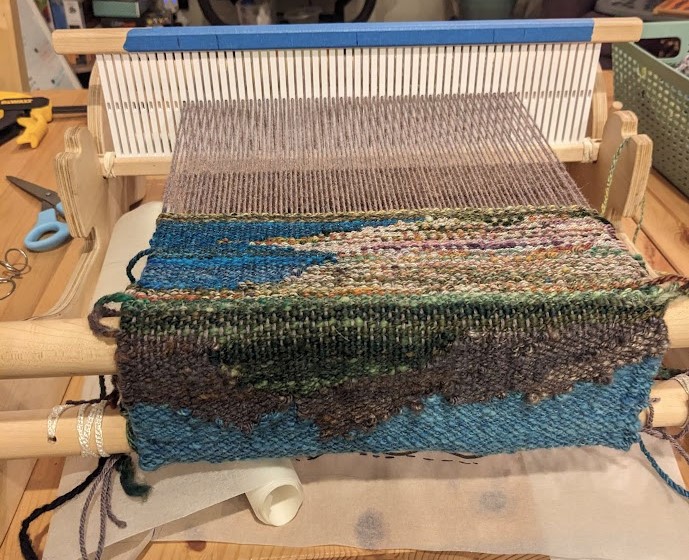
Tapestry weaving on a rigid heddle loom – totally possible and a huge upgrade from the frame loom

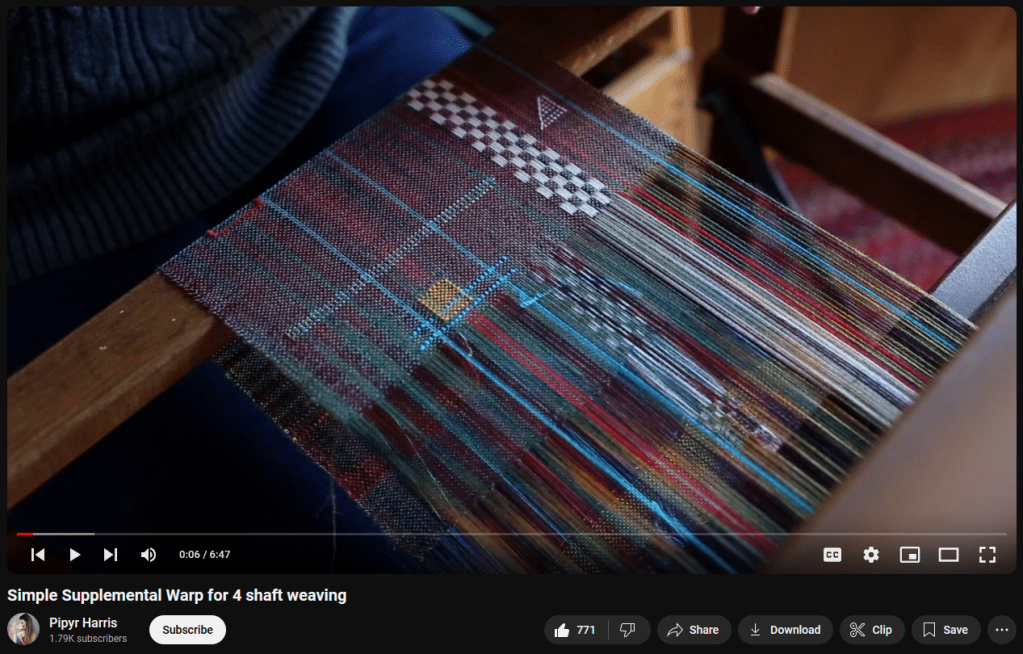
Main inspirations and resources:

I’m obsessed with this and absolutely want to do something like this soon. Stripes, extra doodle-type embroidery, so much fun.

Simply Spinnin’

Late 2023 I was in a yarn store with a friend, and they had “learn to spin” kits with a drop spindle on a table display. She gestured to me and said “look, you could learn how to spin!” and I said, immediately, “I DON’T NEED ANOTHER CRAFT!!!!”

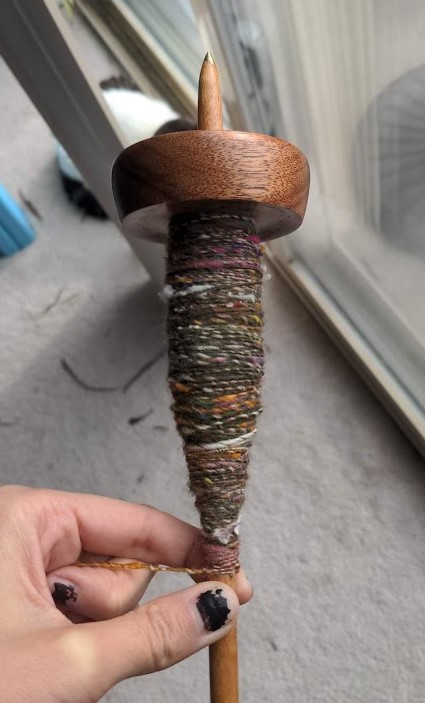
Yeah so I have four spindles, a spinning wheel, and I’ve completed whole projects with my handspun yarn ❤

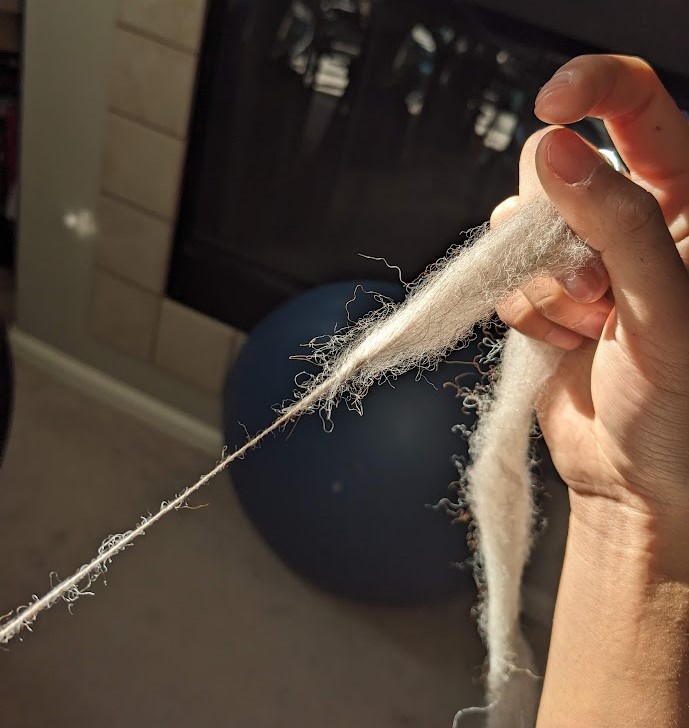
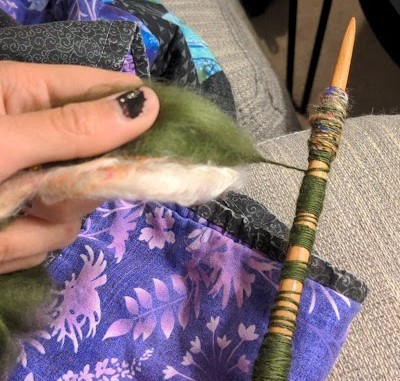
Spinning yarn is simply… simple. It’s putting twist in some strands of fiber, and holding that twist “energy” in the yarn. And it’s ancient. We’ve been spinning as long as there have been nets to hold and trap things, clothes to wear, and bags to weave. I find spinning with the spindle to be the ultimate, original fidget spinner (literally), and with a bonus that I’ve created something! It’s a great hand activity for podcasts and audio media.

Twist (left) travels up to the fiber (right)

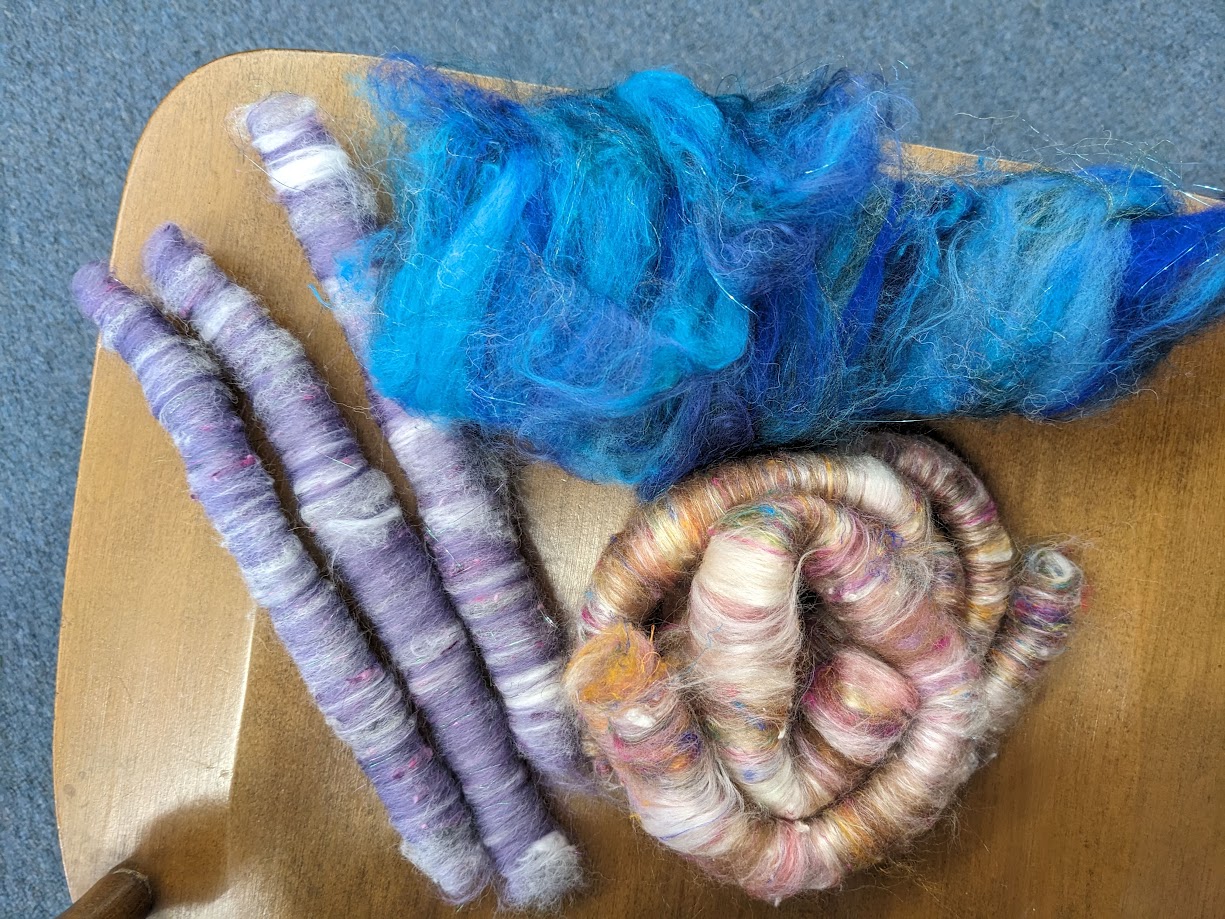
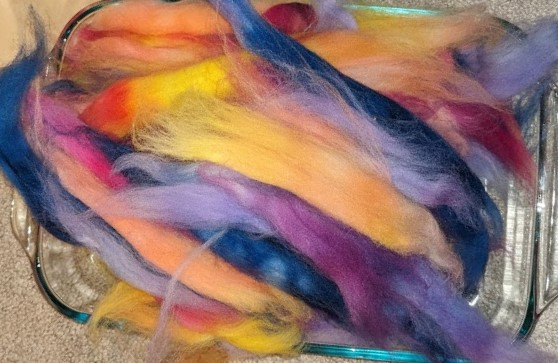
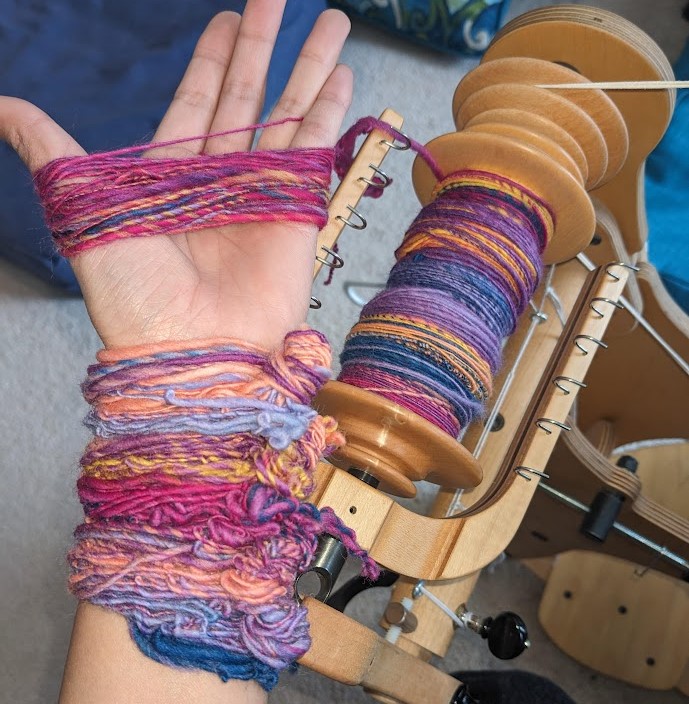
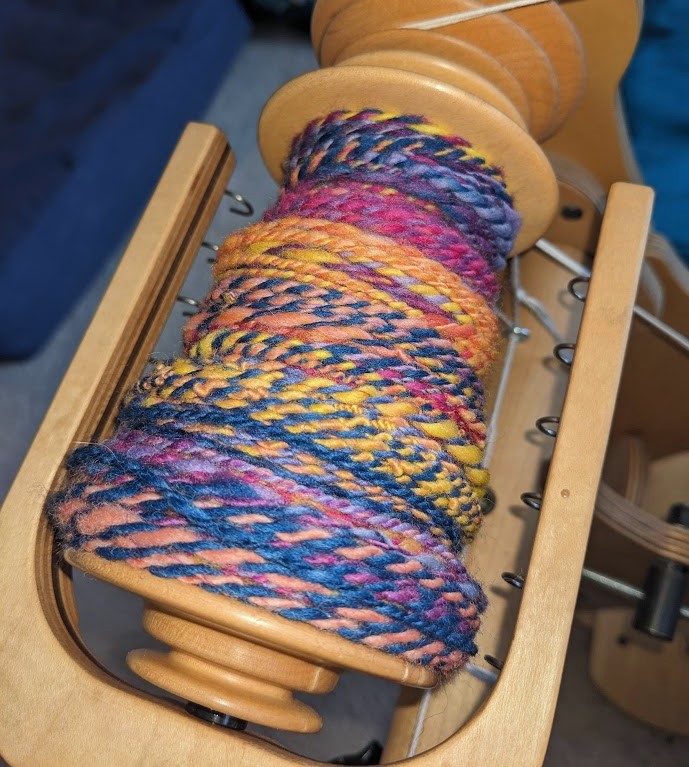
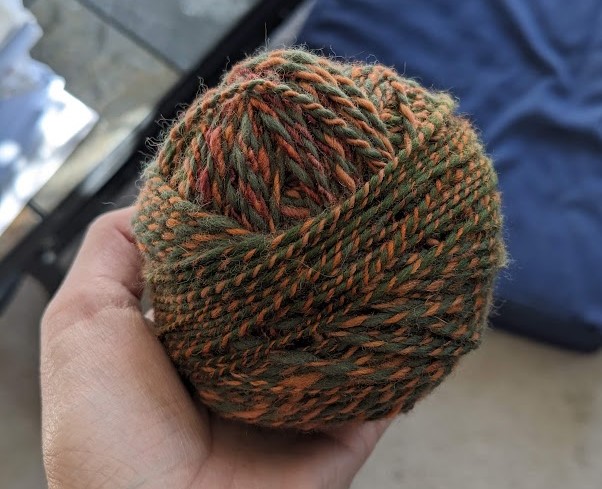
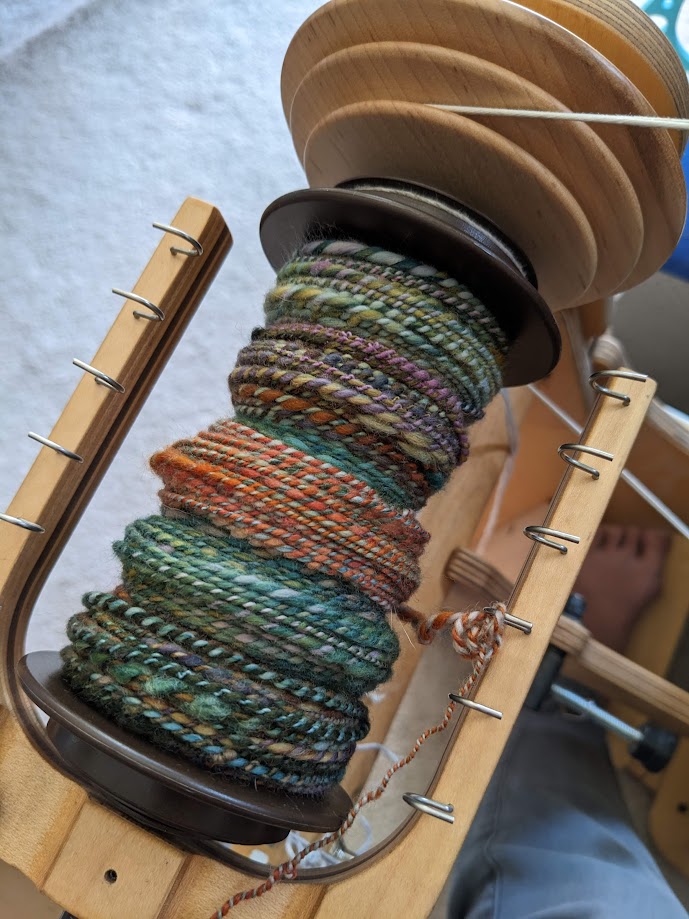
I find the color blending is like doing watercolor “wet on wet” – you can have plans, but the medium itself executes the plan and introduces beautiful randomness that I couldn’t have made myself. This is especially true when doing a two-ply yarn – I spin one long string and (systematically) fold it in half, not knowing what the middle is going to look like at all!

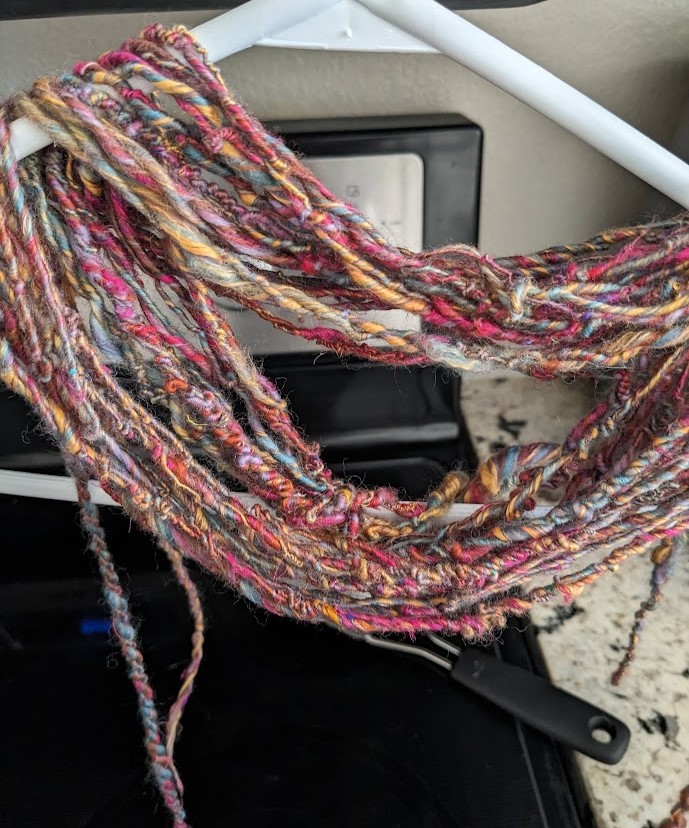
Plus, I can make a lot of different textures – wiry, fluffy, thick, thin, varied, consistent… just a lot of experimentation and fun.

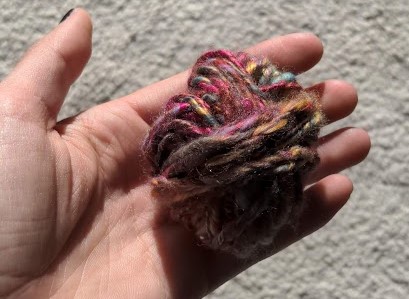
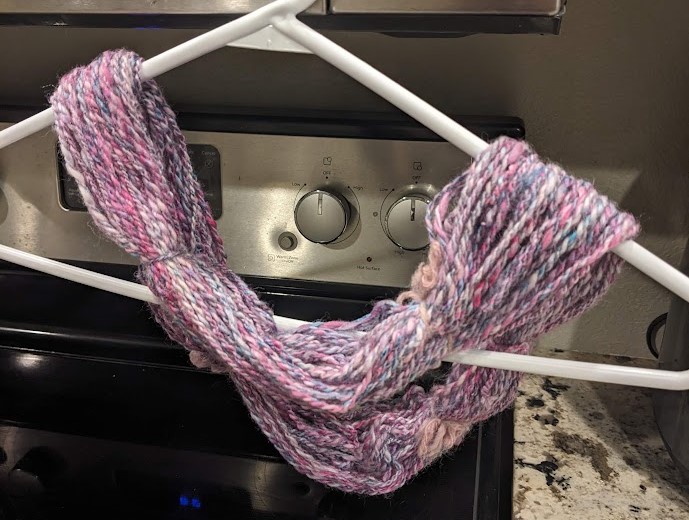
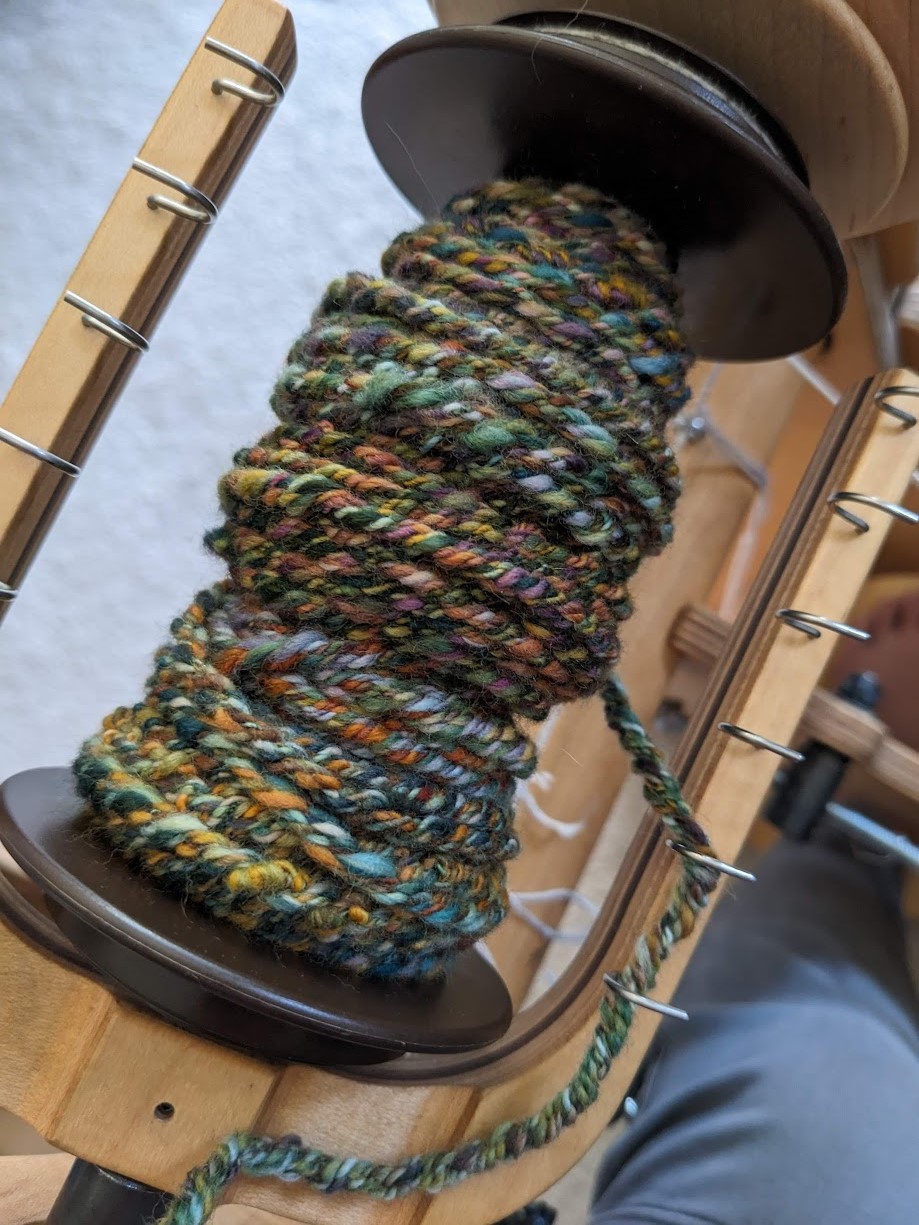
Fluffy yarn from my early spinning days

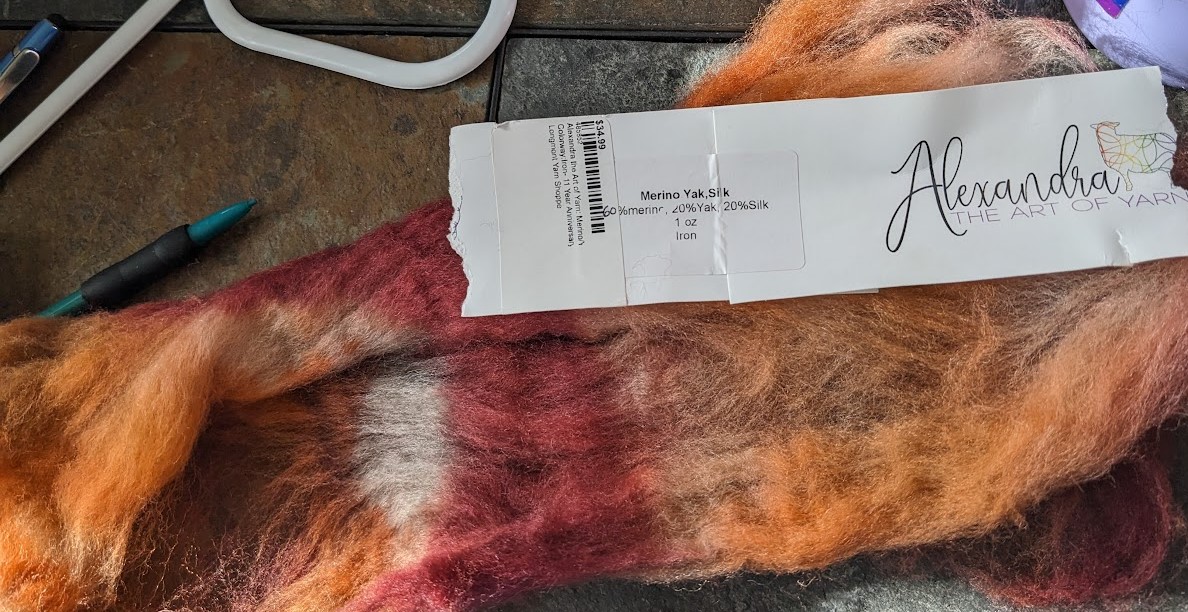
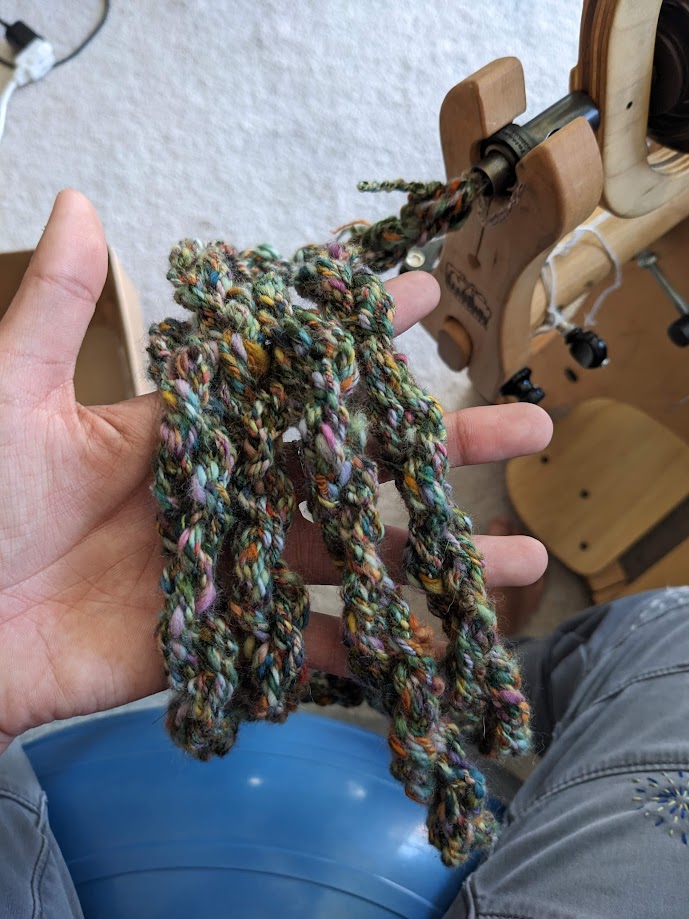
I plied this yarn a bunch of times to make a strap for a bag 🙂 It was some leftover fiber from my Tetons Extravaganza and it was just so colorful and green/flowery that I wanted to use it in a different way.

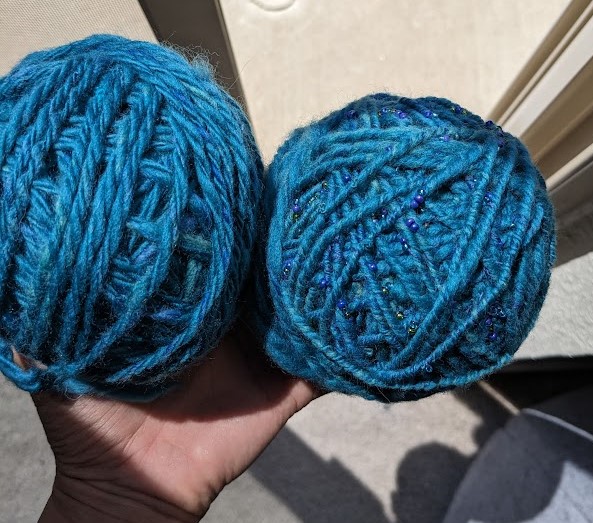
And then I got crazy and started adding beads!! 🙂 So shiny and fun. It was kind of annoying putting all the beads on the thread, but super worth it.

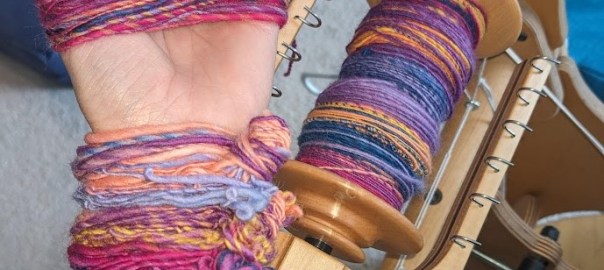
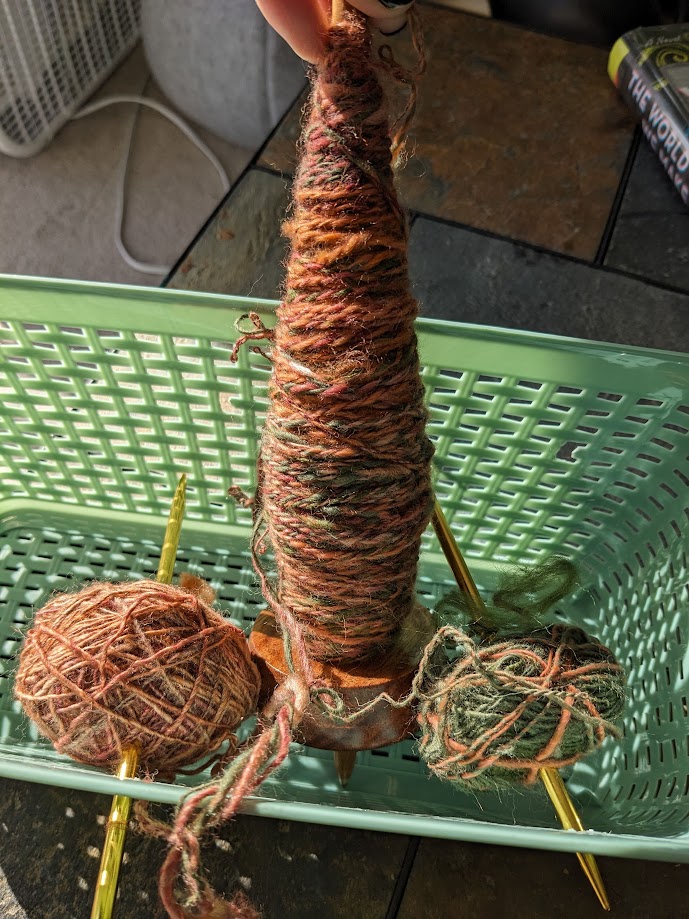
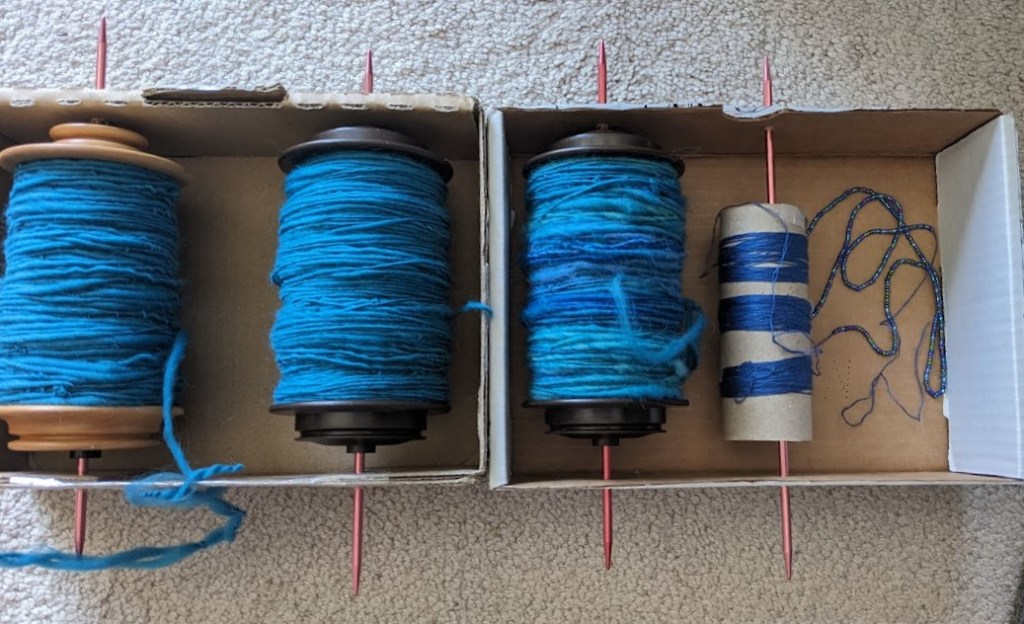
Plying setup with three normal plies and beads!

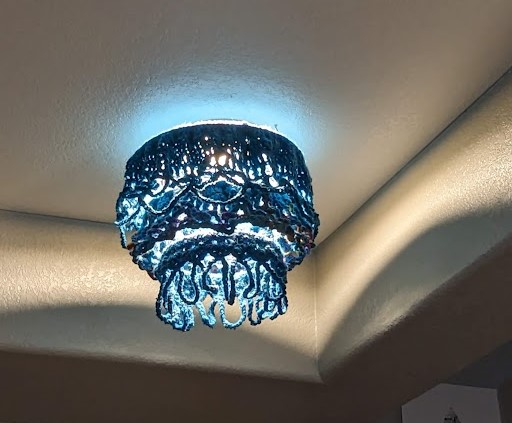
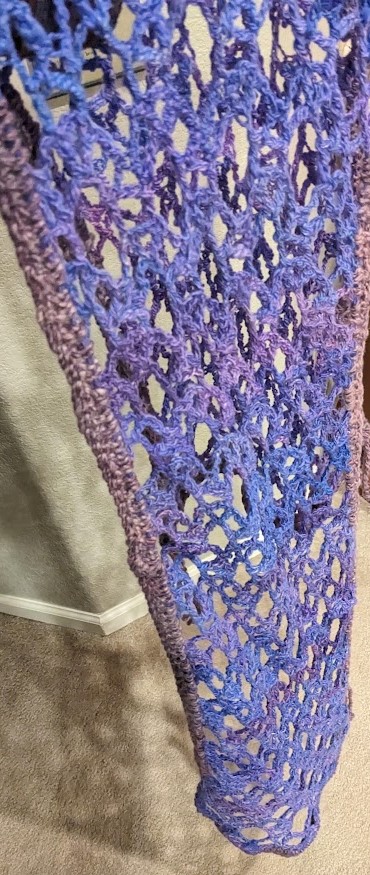
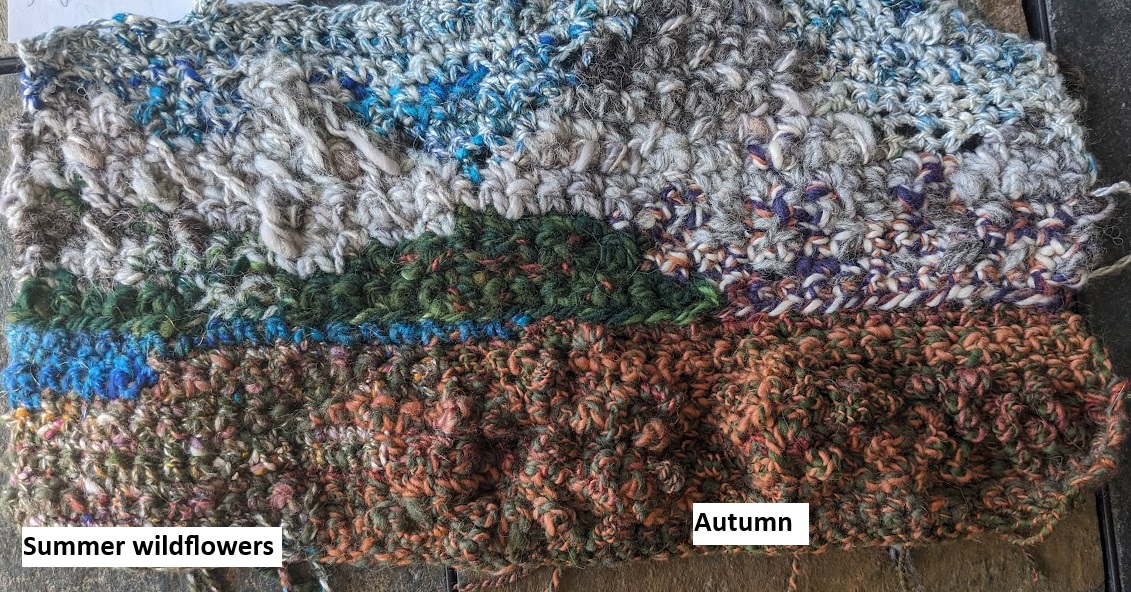
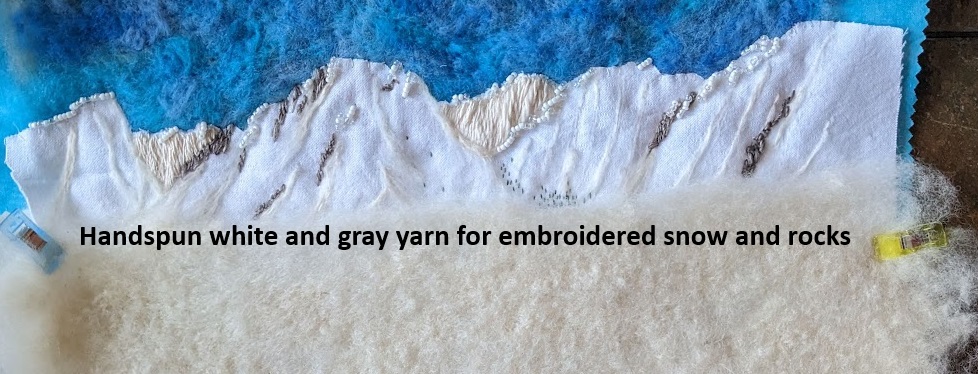
And of course, making things with the yarn I make. 🙂 crochet, weaving, I have even spun yarn thin enough to embroider with.

I’m figuring out how to walk around my house and spin, and my next data metric is figuring out how much yarn I can get from a given weight of fiber – which is a test of consistency, and makes the final fabric more even and less lumpy.

Main inspirations and resources: